Saturday, 13 January 2024

The Evolution and Impact of E-Banking: Redefining Financial Transactions in the Digital Age


Introduction:


In the last few decades, the landscape of banking and financial transactions has undergone a revolutionary transformation, thanks to the advent of electronic banking, or e-banking. E-banking refers to the use of electronic systems and technologies to conduct various banking activities, from simple account inquiries to complex financial transactions. This paradigm shift has not only changed the way individuals and businesses manage their finances but has also significantly impacted the entire banking industry.
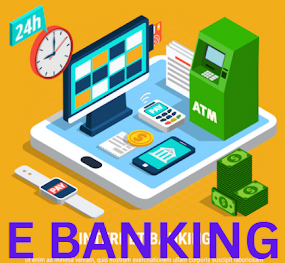


I Historical Perspective of E-Banking

The roots of e-banking can be traced back to the introduction of Automated Teller Machines (ATMs) in the 1960s. These machines marked the beginning of a transition from traditional brick-and-mortar banking to a more automated and efficient system. The 1990s saw the emergence of online banking, allowing customers to access their accounts and conduct transactions through the internet. This was a significant milestone that laid the foundation for the comprehensive e-banking services we have today.

II. Key Components of E-Banking

E-banking encompasses a wide range of services and functionalities. The core components include:

  • Online Banking: Customers can access their bank accounts, check balances, and conduct various transactions through secure online portals provided by their banks.

  • Mobile Banking: With the widespread use of smartphones, mobile banking has become increasingly popular. Customers can perform banking activities using dedicated mobile apps, offering convenience and flexibility.


  • ATM Services: Although ATMs predate the digital era, they remain a crucial element of e-banking. ATMs allow customers to withdraw cash, deposit checks, and perform other basic transactions outside traditional banking hours.


  • Electronic Funds Transfer (EFT): EFT enables the electronic transfer of funds between different accounts, both within the same bank and across different financial institutions.


  • Online Bill Payment: E-banking facilitates the seamless payment of bills, eliminating the need for traditional paper checks and postage. Customers can schedule recurring payments and avoid late fees.


  • E-Wallets and Contactless Payments: The rise of digital wallets and contactless payment methods has further streamlined transactions, offering a secure and convenient alternative to physical cash.

III. Advantages of E-Banking

The adoption of e-banking has brought about numerous benefits for both consumers and banks:

  • Convenience: One of the primary advantages of e-banking is the convenience it offers. Customers can access their accounts and perform transactions from the comfort of their homes or on the go, eliminating the need to visit physical bank branches.

  • 24/7 Accessibility: Unlike traditional banking hours, e-banking services are available 24 hours a day, seven days a week. This ensures that customers can manage their finances at any time, accommodating diverse schedules.


  • Cost Savings: E-banking reduces the need for physical infrastructure and manual processes, leading to cost savings for banks. These savings can be passed on to customers in the form of lower fees and better interest rates.


  • Efficiency and Speed: Electronic transactions are processed faster than traditional methods. This efficiency is particularly evident in electronic fund transfers, where funds can be moved between accounts almost instantaneously.


  • Paperless Transactions: E-banking promotes environmental sustainability by reducing the reliance on paper for statements, checks, and other documents. This shift towards paperless transactions aligns with global efforts to reduce carbon footprints.


  • Enhanced Security Measures: With advancements in technology, e-banking systems have implemented robust security measures, such as multi-factor authentication and encryption, to protect customer data and transactions.

IV. Challenges and Concerns

While e-banking offers numerous advantages, it is not without its challenges and concerns:

  • Security Risks: As e-banking systems become more sophisticated, so do the tactics of cybercriminals. Security breaches, phishing attacks, and identity theft are persistent threats that require continuous efforts to mitigate.


  • Digital Divide: Despite the widespread adoption of e-banking, a digital divide still exists, with some individuals lacking access to the internet or digital devices. This can limit the inclusivity of e-banking services.


  • Technological Obsolescence: The rapid pace of technological advancement means that e-banking systems can become obsolete relatively quickly. This poses challenges for both customers and banks to stay updated with the latest technologies.


  • Customer Education: Some customers, particularly older demographics, may be resistant to adopting e-banking due to a lack of familiarity or fear of technology. Educating customers about the benefits and security measures of e-banking is essential for widespread adoption.

V. Future Trends in E-Banking

The future of e-banking holds exciting possibilities as technology continues to evolve. Some emerging trends include:

  • Blockchain and Cryptocurrencies: The integration of blockchain technology and cryptocurrencies like Bitcoin has the potential to revolutionize the way financial transactions are conducted, providing increased security and transparency.

  • Artificial Intelligence (AI) and Chatbots: AI-powered chatbots are being increasingly used in e-banking to provide personalized customer service, answer queries, and assist with transactions, enhancing the overall user experience.


  • Biometric Authentication: Biometric methods such as fingerprint and facial recognition are becoming more prevalent in e-banking to enhance security and simplify the authentication process for customers.


  • Open Banking: Open banking initiatives allow third-party developers to create applications and services using bank data. This fosters innovation and competition within the financial industry.


  • Augmented Reality (AR) and Virtual Reality (VR): The integration of AR and VR technologies may transform the way customers interact with their finances, offering immersive experiences for tasks like financial planning and investment analysis.

VI. Conclusion

In conclusion, e-banking has evolved from a convenience to a necessity in the modern era. Its impact on the banking industry and the way individuals manage their finances is undeniable. As technology continues to advance, the future promises even greater innovations in e-banking, reshaping the financial landscape and providing users with unprecedented levels of convenience, security, and efficiency. While challenges persist, the benefits of e-banking are driving a global shift towards a more digital and interconnected financial ecosystem. As we stand at the crossroads of technological evolution, the journey of e-banking is far from over, with new horizons waiting to be explored and embraced.



Tuesday, 9 January 2024

Unleashing the Potential of Online Marketing


Introduction:

In the fast-paced digital era, online marketing has emerged as a powerful tool, revolutionizing the way businesses connect with their target audience. With the ever-growing influence of the internet, businesses of all sizes have recognized the need to harness the potential of online marketing to stay competitive and relevant in today's dynamic marketplace. This article explores the myriad ways in which online marketing can unleash the full potential of businesses, driving growth, brand awareness, and customer engagement.

Online Marketing
Online Marketing 

Global Reach and Accessibility:

One of the most significant advantages of online marketing is its ability to transcend geographical boundaries. Unlike traditional forms of marketing, the digital landscape allows businesses to reach a global audience with just a few clicks. Through various online channels such as social media, search engines, and email marketing, businesses can connect with potential customers worldwide, expanding their reach beyond local constraints.


Targeted Marketing Strategies:

Online marketing enables businesses to employ targeted marketing strategies, ensuring that their messages reach the right audience. Through data analytics and customer profiling, businesses can tailor their marketing campaigns to specific demographics, interests, and behaviors. This precision targeting not only enhances the efficiency of marketing efforts but also maximizes the return on investment by reaching individuals more likely to be interested in the products or services being offered.

Cost-Effectiveness:

Compared to traditional marketing channels, online marketing is often more cost-effective. Digital advertising platforms allow businesses to set budgets, target specific demographics, and track the performance of campaigns in real-time. This level of control and transparency enables businesses to optimize their marketing spend, ensuring that resources are allocated to strategies that deliver the best results. Additionally, online marketing channels such as social media provide cost-effective options for organic reach and engagement.

Measurable Results and Analytics:

One of the key advantages of online marketing is the ability to measure and analyze results accurately. Businesses can track metrics such as website traffic, conversion rates, and customer engagement in real-time. This data-driven approach allows for continuous refinement of marketing strategies, helping businesses adapt to changing market conditions and customer preferences. By leveraging analytics tools, businesses can gain valuable insights into consumer behavior, enabling them to make informed decisions and improve the overall effectiveness of their marketing efforts.

Building Brand Awareness:

Online marketing plays a pivotal role in building and enhancing brand awareness. Through consistent and strategic digital campaigns, businesses can establish a strong online presence, making it easier for customers to recognize and remember their brand. Social media platforms, in particular, provide a powerful avenue for brand building, allowing businesses to engage with their audience, showcase their personality, and create a loyal customer base.

Social Media Engagement:

The rise of social media has transformed the way businesses interact with their audience. Social media platforms such as Facebook, Instagram, Twitter, and LinkedIn provide opportunities for businesses to engage directly with customers, receive feedback, and build a sense of community. By creating compelling content and participating in online conversations, businesses can humanize their brand and foster meaningful connections with their audience.

Search Engine Optimization (SEO):

A crucial component of online marketing, Search Engine Optimization (SEO) helps businesses improve their visibility on search engines. By optimizing website content, using relevant keywords, and adhering to best practices, businesses can increase their chances of ranking higher in search engine results. This enhanced visibility not only drives organic traffic to the website but also establishes credibility and trust with potential customers.

Email Marketing:

Email marketing remains a potent tool for businesses looking to nurture leads and maintain customer relationships. Through personalized and targeted email campaigns, businesses can deliver relevant content, promotions, and updates directly to their audience's inbox. Email marketing automation further streamlines the process, allowing businesses to engage with their audience at various stages of the customer journey.

E-commerce and Online Sales:

The growth of online marketing has significantly influenced the landscape of e-commerce. Businesses can leverage digital platforms to showcase products, provide detailed information, and facilitate seamless online transactions. The convenience of online shopping appeals to a wide range of consumers, and businesses can capitalize on this trend by creating user-friendly websites, optimizing the online purchasing experience, and implementing secure payment gateways.

Mobile Marketing:

The widespread use of smartphones has given rise to mobile marketing as a dominant force in the online marketing landscape. Businesses can reach consumers anytime, anywhere through mobile-optimized websites, apps, and targeted mobile advertising. With the majority of internet users accessing content on mobile devices, businesses must prioritize mobile marketing strategies to ensure they connect with their audience effectively.

Conclusion:

In conclusion, the potential of online marketing is vast and continually evolving. From global reach and accessibility to targeted strategies, cost-effectiveness, and measurable results, businesses that embrace the digital landscape can unlock unprecedented growth opportunities. The dynamic nature of online marketing requires businesses to stay agile, adapt to emerging trends, and leverage the latest technologies to maintain a competitive edge in the digital marketplace. As businesses continue to unleash the full potential of online marketing, the ability to connect with audiences, build brand equity, and drive sustainable growth remains more achievable than ever before

Sunday, 7 January 2024

Earn Money Online: Tips and Tricks for Success


Introduction: In the rapidly evolving landscape of the internet, opportunities for individuals to earn money online have expanded exponentially. Whether you're looking to supplement your income, replace a traditional job, or embark on a full-fledged online business venture, there are various avenues available. This comprehensive guide will explore diverse ways to earn money online, covering freelancing, online businesses, passive income streams, and valuable tips for success.


Freelancing Opportunities

Freelance Writing:

Content is king on the internet, and businesses constantly seek high-quality written content for their websites, blogs, and marketing materials. Platforms like Upwork, Fiverr, and Freelancer connect freelance writers with clients looking for writing services.

Tips for Success:

  • Develop a portfolio showcasing your writing skills.

  • Specialise in a niche to stand out in the crowded freelance market.

  • Deliver high-quality work consistently to build a positive reputation.

Graphic Design:

If you possess graphic design skills, platforms like 99designs and DesignCrowd allow you to showcase your talent and compete for design projects. Many businesses and entrepreneurs are willing to pay for professional graphics for their branding and marketing efforts.

Strategies for Graphic Designers:

  • Create a visually appealing portfolio.

  • Stay updated on design trends and software tools.

  • Provide excellent customer service to build a loyal client base.

Virtual Assistance:

As businesses and entrepreneurs increasingly operate online, the demand for virtual assistants has risen. Tasks may include email management, scheduling, data entry, and customer support.

Tips for Virtual Assistants:

  • Showcase organisational and communication skills in your profile.

  • Be proactive and take initiative to anticipate your client's needs.

  • Learn and adapt to various tools and software commonly used in remote work.

Online Business Ventures

E-commerce:

The rise of e-commerce platforms like Shopify, WooCommerce, and Etsy has made it easier than ever to start an online store. Whether you sell physical products, digital downloads, or dropship items, e-commerce provides a scalable avenue for earning money.

Steps to Launch an E-commerce Business:

  • Identify a niche or product to sell.

  • Build a user-friendly website.

  • Implement effective digital marketing strategies.

Affiliate Marketing:

Affiliate marketing involves promoting other people's products and earning a commission for each sale generated through your referral. This can be done through blog content, social media, or dedicated affiliate websites.

Affiliate Marketing Best Practices:

  • Choose products or services relevant to your audience.

  • Provide honest and valuable reviews to build trust.

  • Use multiple channels to promote affiliate links.

Online Courses and Coaching:

If you possess expertise in a particular subject, creating and selling online courses or offering coaching services can be a lucrative venture. Platforms like Udemy, Teachable, and Coach.me facilitate the monetization of your knowledge.

Tips for Creating Online Courses:

  • Identify a target audience and their learning needs.

  • Invest in quality course production, including video and audio.

  • Implement effective marketing strategies to reach your audience.

Dropshipping:

Dropshipping involves selling products without holding inventory. When a customer makes a purchase, the product is shipped directly from the supplier to the customer. This business model minimises upfront costs and risks.

Steps to Start a Dropshipping Business:

  • Choose a niche and research potential products.

  • Set up an e-commerce store.

  • Partner with reliable suppliers and manage customer expectations.

Passive Income Streams

Blogging:

Building a successful blog takes time, but it can become a reliable source of passive income through advertising, sponsored content, and affiliate marketing. Content creators can monetize their expertise and experiences.

Effective Blogging Strategies:

  • Identify a niche and target audience.

  • Consistently produce high-quality, engaging content.

  • Implement SEO strategies to increase visibility.

Investing in Stocks or Real Estate:

While not entirely online, the internet has made investing more accessible than ever. Platforms like Robinhood and E*TRADE allows individuals to invest in stocks, while crowdfunding platforms enable real estate investment with smaller capital.

Investing Tips:

  • Diversify your investment portfolio.

  • Stay informed about market trends and economic indicators.

  • Consider a long-term investment strategy for sustainable growth.

Create and Sell Digital Products:

Digital products, such as ebooks, printables, and digital artwork, can be created once and sold repeatedly. Platforms like Gumroad and Etsy provide a marketplace for digital product creators.

Digital Product Creation Tips:

  • Research market demand for your chosen niche.

  • Provide high-quality and valuable content.

  • Utilise effective marketing strategies to reach your target audience.

Tips for Success in Earning Money Online

Build a Strong Online Presence:

Establishing a solid online presence is crucial for success in the digital space. This includes having a professional website or portfolio, active social media profiles, and positive reviews or testimonials.

Stay Updated on Industry Trends:

The online landscape is dynamic, with trends and technologies constantly evolving. Stay informed about changes in your chosen field, whether it's in freelancing, e-commerce, or passive income ventures.

Network and Collaborate:

Networking with other professionals in your industry can open up new opportunities. Collaborations, partnerships, and mentorships can provide valuable insights and support.

Time Management and Discipline:

Working online often comes with the flexibility of setting your own schedule. However, discipline and effective time management are essential to ensure productivity and meet deadlines.

Customer Satisfaction Matters:

Regardless of the online venture you pursue, customer satisfaction should be a top priority. Positive reviews and word-of-mouth recommendations can significantly impact your online reputation.

Conclusion

Earning money online offers a plethora of opportunities for those willing to explore and invest time and effort. From freelancing and online businesses to passive income streams, the digital landscape is diverse and dynamic. Success in the online world requires a combination of skills, dedication, and adaptability to evolving trends. By leveraging the various avenues discussed in this guide and incorporating effective strategies, individuals can turn their online endeavors into successful and sustainable sources of income. As with any venture, persistence and continuous learning are key to navigating the ever-changing landscape of online opportunities.


Friday, 5 January 2024

Implementing Off-Page SEO Strategies for Success


Introduction: Off-page SEO is a crucial aspect of search engine optimization that focuses on activities outside of your own website to improve its visibility and credibility on the internet. While on-page SEO involves optimising the content and structure of your website, off-page SEO is concerned with building a positive online reputation through various external factors. This comprehensive guide will delve into the key components of off-page SEO, its importance, and effective strategies to enhance your website's authority and rankings in search engine results.


Understanding Off-Page SEO

Backlinks and Link Building:

One of the fundamental elements of off-page SEO is building high-quality backlinks. Backlinks are external links that point to your website. Search engines consider these links as a vote of confidence in your content. However, not all backlinks are created equal. Quality is paramount. Backlinks from authoritative, relevant websites carry more weight than those from spammy or low-quality sites.

Strategies for Effective Link Building:

  • Guest Blogging: Contribute valuable content to other websites in your niche and include a link back to your site.

  • Broken Link Building: Identify broken links on other websites and suggest your content as a replacement.

  • Influencer Outreach: Collaborate with influencers and industry leaders who can link back to your content. 

Social Media Engagement: Social media signals are increasingly influencing search engine rankings. Active participation on social platforms not only enhances your online presence but also contributes to off-page SEO.

Tips for Social Media Engagement:

  • Share and promote your content on various social media channels.

  • Build a community around your brand and encourage discussions.

  • Respond to comments and engage with your audience regularly.

Brand Mentions and Citations:

Mentions of your brand or website across the internet contribute to your online reputation. Even if these mentions don't include a direct link, search engines recognize them as a positive signal.

Building Brand Mentions:

  • Monitor your brand mentions using tools like Google Alerts.

  • Encourage satisfied customers to leave reviews and testimonials.

  • Collaborate with other businesses and get featured in relevant publications.

Social Bookmarking: 

Social bookmarking sites allow users to save and organise web pages. While the direct impact on SEO may be debated, these platforms can drive traffic and increase the visibility of your content.

Popular Social Bookmarking Sites:

  • Reddit

  • Digg

  • StumbleUpon (now Mix)

Importance of Off-Page SEO

Enhanced Search Engine Rankings:

Off-page SEO is instrumental in improving your website's position in search engine results. Search engines interpret quality backlinks as a vote of confidence, signalling that your content is valuable and trustworthy.

Increased Website Authority: A strong off-page SEO strategy contributes to the overall authority of your website. When reputable websites link to your content, it establishes your site as an authoritative source in your industry.

Wider Online Presence: Engaging in off-page SEO activities, such as social media marketing and influencer collaborations, expands your online reach. This broader presence exposes your brand to a larger audience, driving more traffic to your website.

Better User Experience: Social media engagement and brand mentions contribute to a positive user experience. When users find your brand mentioned across various platforms, it builds trust and credibility, leading to increased customer loyalty.

Advanced Off-Page SEO Strategies

Earning Featured Snippets: 

Featured snippets are concise answers displayed at the top of search results. Optimising your content to provide clear, concise answers can increase the chances of your website being featured. 

Video Marketing: Incorporating video content into your off-page SEO strategy can have a significant impact. Platforms like YouTube can drive traffic and enhance your brand's visibility.

Local SEO: For businesses with a physical presence, local SEO is crucial. This involves optimising your online presence for local searches, including local keywords, Google My Business optimization, and obtaining local citations.

User Experience and Site Performance: While traditionally associated with on-page SEO, factors like site speed and mobile responsiveness indirectly impact off-page SEO. A positive user experience contributes to lower bounce rates and higher user engagement, which can positively influence search rankings.

Monitoring and Measuring Off-Page SEO Success

Backlink Analysis: Regularly monitor your backlink profile using tools like Ahrefs or Moz to ensure the quality and diversity of your backlinks.

Social Media Analytics: Track engagement metrics on social media platforms, such as likes, shares, and comments, to assess the impact of your social media efforts.

Brand Monitoring: Set up alerts to monitor brand mentions and track the sentiment around your brand across the internet.

Traffic and Conversion Analysis: Use tools like Google Analytics to analyse website traffic and track conversions. Understanding the source of your traffic helps you assess the effectiveness of your off-page SEO strategies.


Conclusion: In conclusion, off-page SEO is a multifaceted approach that extends beyond traditional website optimization. Building a robust off-page SEO strategy involves cultivating high-quality backlinks, engaging on social media, managing brand mentions, and adopting advanced strategies like earning featured snippets and leveraging video marketing. The significance of off-page SEO in enhancing search engine rankings, establishing website authority, and broadening online presence cannot be overstated. Regular monitoring and measurement of off-page SEO efforts are essential to refine strategies and adapt to evolving search engine algorithms. By incorporating these practices into your overall SEO strategy, you can position your website for long-term success in the competitive digital landscape.


The Essence of Eidul Fitar: Joy, Gratitude, and Unity

Embracing Eidul Fitar: Cultural Significance and Customs Eid ul-Fitr, often simply referred to as Eid, is one of the most significant religi...