Showing posts with label M&M digital marketing. Show all posts

Saturday, 13 April 2024

The Essence of Eidul Fitar: Joy, Gratitude, and Unity


Embracing Eidul Fitar: Cultural Significance and Customs


Eid ul-Fitr, often simply referred to as Eid, is one of the most significant religious festivals celebrated by Muslims worldwide. This joyous occasion marks the end of Ramadan, the Islamic holy month of fasting. Eid ul-Fitr holds immense cultural and spiritual importance within the Islamic community, symbolizing gratitude, compassion, and unity. The festivities typically last for one to three days, depending on regional customs and interpretations. This essay explores the rich tapestry of traditions, rituals, and significance associated with Eid ul-Fitr.


The Origins and Significance of Eid ul-Fitr

Eid ul-Fitr derives its significance from Islamic scripture and tradition. The festival's roots can be traced back to the time of Prophet Muhammad, who established it as a celebration to mark the end of Ramadan. According to Islamic belief, Ramadan is the month in which the Quran, the holy book of Islam, was first revealed to Prophet Muhammad by Allah (God). Fasting during Ramadan is one of the Five Pillars of Islam and is obligatory for adult Muslims, except for those who are ill, pregnant, nursing, traveling, or menstruating.

Eid ul-Fitr serves as a culmination of the spiritual journey undertaken during Ramadan. It is a time for Muslims to express gratitude for the strength and discipline shown during the month-long fast. Moreover, Eid ul-Fitr embodies the values of charity, compassion, and community, encouraging believers to extend kindness and support to those less fortunate.

The Observance of Eid ul-Fitr

The festivities of Eid ul-Fitr commence with the sighting of the Shawwal moon, which signals the end of Ramadan. The exact date varies each year, as it follows the Islamic lunar calendar. On the morning of Eid, Muslims gather in mosques or designated prayer grounds to perform Salat al-Eid (the Eid prayer). This special congregational prayer consists of two units (rak'ahs) and is typically led by an imam.

Following the Eid prayer, Muslims engage in various rituals and customs to commemorate the occasion. One of the central practices is the giving of Zakat al-Fitr, a form of almsgiving that is mandatory for every Muslim, intended to purify the fasting person from any indecent act or speech and to help the poor and needy. Families also exchange greetings and gifts, visit relatives and friends, and partake in festive meals. Special Eid delicacies and sweets, such as sheer khurma, baklava, and ma'amoul, are prepared to mark the occasion.

Eid ul-Fitr is a time of joyous celebration and unity, transcending geographical boundaries and cultural differences. Muslims come together to share in the festivities, regardless of their background or nationality. It is a time for reconciliation, forgiveness, and strengthening bonds of brotherhood and sisterhood within the community.

Cultural Traditions and Customs

While the core observances of Eid ul-Fitr remain consistent across the Muslim world, the festival is imbued with diverse cultural traditions and customs. In many countries, markets and bazaars bustle with activity in the days leading up to Eid, as people shop for new clothes, gifts, and decorations. It is customary for Muslims to wear their finest attire, often donning traditional garments such as the shalwar kameez, thobe, or saree.

In some regions, particularly in South Asia and the Middle East, elaborate feasts are prepared to mark Eid ul-Fitr. Families gather to enjoy a lavish spread of dishes, ranging from savory kebabs and biryanis to sweet treats like gulab jamun and kunafa. Hospitality is a hallmark of Eid, with hosts welcoming guests into their homes with warmth and generosity.

Another cherished tradition associated with Eid ul-Fitr is the exchange of Eid greetings and blessings. Muslims greet each other with the phrase "Eid Mubarak," which translates to "Blessed Eid." This expression of goodwill fosters a sense of camaraderie and solidarity among believers, regardless of linguistic or cultural differences.

Eid ul-Fitr in the Modern Era

In recent years, the celebration of Eid ul-Fitr has evolved with the advent of technology and globalization. Social media platforms enable Muslims around the world to connect and extend Eid greetings to friends and family, irrespective of geographical distance. Virtual gatherings and online celebrations have become increasingly common, allowing individuals to participate in the festivities remotely.

Moreover, the spirit of charity and compassion inherent in Eid ul-Fitr has inspired numerous humanitarian initiatives and outreach programs. Many Muslim organizations and charitable foundations organize food drives, distribution of Eid gifts to children, and support for marginalized communities, ensuring that the joy of Eid reaches those in need.

In conclusion, Eid ul-Fitr stands as a vibrant celebration of faith, community, and gratitude within the Islamic tradition. It serves as a reminder of the values of self-discipline, compassion, and generosity instilled during the month of Ramadan. As Muslims come together to mark this auspicious occasion, they reaffirm their commitment to spiritual growth, unity, and service to humanity. Eid ul-Fitr encapsulates the essence of Islam's teachings, promoting love, peace, and harmony among all people.

Tuesday, 23 January 2024

Co-Education: Fostering Inclusive Learning Environments

Introduction:
Co-education, the practice of educating both male and female students in the same institution, has been a subject of debate and discussion for decades. The idea of co-education challenges traditional gender-segregated education systems and promotes the idea of inclusivity and equality. This essay explores the advantages and disadvantages of co-education, delving into the historical context, social implications, and educational outcomes.


Historical Perspective:
The history of co-education dates back to ancient times when societies such as the Greeks and Romans practiced mixed-gender education. However, it was only in the late 19th century that co-education gained momentum in Western societies. The concept emerged as a response to the growing demand for equality and women's rights. Over the years, co-education has become a widespread phenomenon, with numerous educational institutions worldwide embracing the approach.


Advantages of Co-Education:


Promotion of Gender Equality:
Co-education serves as a powerful instrument for fostering gender equality. By bringing together boys and girls in the same classrooms, it promotes a sense of equal opportunity and challenges stereotypical gender roles.


Social Skills Development:
Interacting with the opposite gender on a regular basis helps students develop crucial social skills. Co-educational environments provide a more realistic representation of the world outside school, preparing students for diverse social interactions in their future lives.


Enhanced Communication Skills:
Co-education encourages effective communication between genders. Students learn to express themselves confidently, fostering an environment where ideas can be freely exchanged without gender biases.
Reduced Stereotypes and Prejudices:
Co-education diminishes gender stereotypes and prejudices by creating a setting where both genders have equal opportunities to excel in academics, sports, and extracurricular activities.


Cost-Efficiency:
Combining both genders in a single institution often leads to cost efficiency. Shared resources, infrastructure, and facilities contribute to the economic viability of co-educational institutions.


Disadvantages of Co-Education:
Distractions and Romantic Relationships:
Critics argue that co-education can lead to distractions and the development of romantic relationships that may interfere with academic focus. However, proponents counter that such distractions can be managed through proper guidance and a supportive environment.


Gender Bias in Teaching and Learning:
Some opponents argue that co-education may inadvertently perpetuate gender bias in teaching methods and classroom dynamics. This can be addressed through teacher training programs that promote gender-neutral teaching practices.


Pressure to Conform:
In a co-educational setting, students may feel pressure to conform to societal expectations of gender roles. Addressing this challenge requires fostering a culture that values individuality and respects diverse expressions of gender identity.


Unequal Participation:
Critics suggest that in certain settings, there might be unequal participation, with one gender dominating certain activities. This can be mitigated through proactive measures to ensure equal opportunities and representation in all aspects of school life.


Educational Outcomes:


Academic Performance:
Research on the academic outcomes of co-education suggests that it does not inherently lead to superior or inferior academic performance. Success depends on various factors, including the quality of teaching, school culture, and individual student characteristics.


Career Aspirations:
Proponents argue that co-education can positively impact career aspirations, as it exposes students to diverse perspectives and role models. Exposure to a variety of career paths can contribute to more informed decision-making.


Personal Development:
Co-education is believed to contribute to the holistic development of students by fostering a sense of teamwork, collaboration, and understanding. These interpersonal skills are valuable in both personal and professional spheres.


Conclusion:
Co-education has evolved into a global phenomenon, challenging traditional notions of gender-segregated learning. While it comes with both advantages and disadvantages, the emphasis should be on creating environments that promote equality, inclusivity, and personal development. The key lies in addressing challenges through strategic policies, teacher training, and fostering a culture that values diversity. Ultimately, co-education, when implemented effectively, has the potential to prepare students for a world that values equality and mutual respect.

Saturday, 13 January 2024

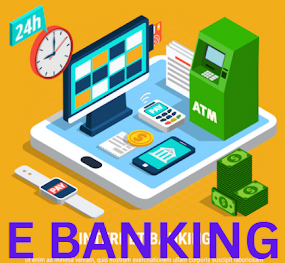
The Evolution and Impact of E-Banking: Redefining Financial Transactions in the Digital Age


Introduction:


In the last few decades, the landscape of banking and financial transactions has undergone a revolutionary transformation, thanks to the advent of electronic banking, or e-banking. E-banking refers to the use of electronic systems and technologies to conduct various banking activities, from simple account inquiries to complex financial transactions. This paradigm shift has not only changed the way individuals and businesses manage their finances but has also significantly impacted the entire banking industry.


I Historical Perspective of E-Banking

The roots of e-banking can be traced back to the introduction of Automated Teller Machines (ATMs) in the 1960s. These machines marked the beginning of a transition from traditional brick-and-mortar banking to a more automated and efficient system. The 1990s saw the emergence of online banking, allowing customers to access their accounts and conduct transactions through the internet. This was a significant milestone that laid the foundation for the comprehensive e-banking services we have today.

II. Key Components of E-Banking

E-banking encompasses a wide range of services and functionalities. The core components include:

  • Online Banking: Customers can access their bank accounts, check balances, and conduct various transactions through secure online portals provided by their banks.

  • Mobile Banking: With the widespread use of smartphones, mobile banking has become increasingly popular. Customers can perform banking activities using dedicated mobile apps, offering convenience and flexibility.


  • ATM Services: Although ATMs predate the digital era, they remain a crucial element of e-banking. ATMs allow customers to withdraw cash, deposit checks, and perform other basic transactions outside traditional banking hours.


  • Electronic Funds Transfer (EFT): EFT enables the electronic transfer of funds between different accounts, both within the same bank and across different financial institutions.


  • Online Bill Payment: E-banking facilitates the seamless payment of bills, eliminating the need for traditional paper checks and postage. Customers can schedule recurring payments and avoid late fees.


  • E-Wallets and Contactless Payments: The rise of digital wallets and contactless payment methods has further streamlined transactions, offering a secure and convenient alternative to physical cash.

III. Advantages of E-Banking

The adoption of e-banking has brought about numerous benefits for both consumers and banks:

  • Convenience: One of the primary advantages of e-banking is the convenience it offers. Customers can access their accounts and perform transactions from the comfort of their homes or on the go, eliminating the need to visit physical bank branches.

  • 24/7 Accessibility: Unlike traditional banking hours, e-banking services are available 24 hours a day, seven days a week. This ensures that customers can manage their finances at any time, accommodating diverse schedules.


  • Cost Savings: E-banking reduces the need for physical infrastructure and manual processes, leading to cost savings for banks. These savings can be passed on to customers in the form of lower fees and better interest rates.


  • Efficiency and Speed: Electronic transactions are processed faster than traditional methods. This efficiency is particularly evident in electronic fund transfers, where funds can be moved between accounts almost instantaneously.


  • Paperless Transactions: E-banking promotes environmental sustainability by reducing the reliance on paper for statements, checks, and other documents. This shift towards paperless transactions aligns with global efforts to reduce carbon footprints.


  • Enhanced Security Measures: With advancements in technology, e-banking systems have implemented robust security measures, such as multi-factor authentication and encryption, to protect customer data and transactions.

IV. Challenges and Concerns

While e-banking offers numerous advantages, it is not without its challenges and concerns:

  • Security Risks: As e-banking systems become more sophisticated, so do the tactics of cybercriminals. Security breaches, phishing attacks, and identity theft are persistent threats that require continuous efforts to mitigate.


  • Digital Divide: Despite the widespread adoption of e-banking, a digital divide still exists, with some individuals lacking access to the internet or digital devices. This can limit the inclusivity of e-banking services.


  • Technological Obsolescence: The rapid pace of technological advancement means that e-banking systems can become obsolete relatively quickly. This poses challenges for both customers and banks to stay updated with the latest technologies.


  • Customer Education: Some customers, particularly older demographics, may be resistant to adopting e-banking due to a lack of familiarity or fear of technology. Educating customers about the benefits and security measures of e-banking is essential for widespread adoption.

V. Future Trends in E-Banking

The future of e-banking holds exciting possibilities as technology continues to evolve. Some emerging trends include:

  • Blockchain and Cryptocurrencies: The integration of blockchain technology and cryptocurrencies like Bitcoin has the potential to revolutionize the way financial transactions are conducted, providing increased security and transparency.

  • Artificial Intelligence (AI) and Chatbots: AI-powered chatbots are being increasingly used in e-banking to provide personalized customer service, answer queries, and assist with transactions, enhancing the overall user experience.


  • Biometric Authentication: Biometric methods such as fingerprint and facial recognition are becoming more prevalent in e-banking to enhance security and simplify the authentication process for customers.


  • Open Banking: Open banking initiatives allow third-party developers to create applications and services using bank data. This fosters innovation and competition within the financial industry.


  • Augmented Reality (AR) and Virtual Reality (VR): The integration of AR and VR technologies may transform the way customers interact with their finances, offering immersive experiences for tasks like financial planning and investment analysis.

VI. Conclusion

In conclusion, e-banking has evolved from a convenience to a necessity in the modern era. Its impact on the banking industry and the way individuals manage their finances is undeniable. As technology continues to advance, the future promises even greater innovations in e-banking, reshaping the financial landscape and providing users with unprecedented levels of convenience, security, and efficiency. While challenges persist, the benefits of e-banking are driving a global shift towards a more digital and interconnected financial ecosystem. As we stand at the crossroads of technological evolution, the journey of e-banking is far from over, with new horizons waiting to be explored and embraced.


Saturday, 30 December 2023

The Ultimate Guide to Global Amazon Product Promotion

Introduction: Promoting products on Amazon globally requires a strategic approach to reach a wider audience and maximize sales. Here's a comprehensive guide to help you effectively promote your Amazon products worldwide:


Amazon products promotion 


Optimize Product Listings: Ensure high-quality images and compelling product descriptions.
Use relevant keywords in your titles, bullet points, and descriptions. Highlight key features and benefits to attract potential buyers.


Leverage Amazon Advertising: Utilize Amazon PPC (Pay-Per-Click) campaigns to boost visibility.
Target relevant keywords and optimize ad spend based on performance. Experiment with different ad types, such as sponsored products, sponsored brands, and sponsored display ads.


Take Advantage of Amazon Coupons and Promotions: Create discounts and promotions to attract price-conscious shoppers. Use Amazon Coupons to encourage customers to make a purchase by offering instant savings.


Participate in Amazon Deals and Lightning Deals: Apply for Lightning Deals and Deals of the Day to increase product visibility. These time-sensitive promotions can create a sense of urgency and drive sales.


Implement a Global Fulfillment Strategy: Enroll in Amazon's FBA (Fulfillment by Amazon) program to provide fast and reliable shipping. Optimize your inventory management to avoid stockouts and maintain a good sales rank.


Localize Your Marketing: Tailor your marketing messages to specific regions and cultures. Translate product listings, advertisements, and customer communications to the local language.


Utilize social media and Influencers: Leverage social media platforms to promote your products globally. Collaborate with influencers who have a global reach to showcase your products to a wider audience.


Encourage Customer Reviews: Positive reviews can significantly impact purchase decisions. Encourage satisfied customers to leave reviews and promptly address any negative feedback.


Monitor and Adjust Pricing Strategically: Keep an eye on competitors and adjust your prices accordingly. Consider running promotions or discounts during peak shopping seasons.


Optimize for Mobile Users: Ensure that your product listings and advertising are optimized for mobile users. Many shoppers use mobile devices, so a mobile-friendly experience is crucial.


Leverage Amazon's Global Selling Programs: Join Amazon's Global Selling program to list and sell your products on multiple international marketplaces. Tailor your strategy to each marketplace based on local trends and preferences.


Utilize External Traffic: Drive external traffic to your Amazon listings through social media, blogs, and other online channels. Use tools like Amazon Attribution to measure the impact of external traffic on your sales.


Continuously Analyze and Optimize: Regularly analyze your performance metrics and adjust your strategy accordingly. Monitor the effectiveness of different promotions and advertising campaigns.


Stay Informed About Amazon Policies: Keep abreast of changes in Amazon's policies and adapt your strategy to comply with the platform's guidelines. By combining these strategies, you can create a comprehensive approach to promote your Amazon products globally and increase your chances of success in the competitive e-commerce landscape.

The Essence of Eidul Fitar: Joy, Gratitude, and Unity

Embracing Eidul Fitar: Cultural Significance and Customs Eid ul-Fitr, often simply referred to as Eid, is one of the most significant religi...