Showing posts with label digital marketing. Show all posts

Saturday, 16 March 2024

The Impact of Somalian Pirate Attacks on Global Trade

 The Enigma of Somali Pirates: A Complex Portrait of Modern Maritime Banditry


Somali pirates, once depicted as the epitome of maritime banditry, have captured the imaginations of the world with their audacious acts on the high seas. However, behind the sensational headlines lies a complex story that intertwines poverty, failed governance, and global economic dynamics. This essay delves into the phenomenon of Somali piracy, examining its origins, motivations, impacts, and the efforts to combat it.


The roots of Somali piracy can be traced back to the collapse of the central government in Somalia in 1991. With no effective authority to police its waters, Somalia became a haven for illegal fishing vessels and toxic waste dumping by foreign entities. This exploitation of Somali resources, coupled with widespread poverty and unemployment, drove many coastal communities to take up arms in defense of their waters.

Initially, Somali fishermen formed informal militias to protect their livelihoods from foreign vessels. However, as the situation deteriorated further and the Somali state remained weak, these militias transformed into well-organized pirate gangs, equipped with sophisticated weaponry and speedboats. Operating from mother ships, they ventured far into the Indian Ocean, targeting cargo ships, oil tankers, and luxury yachts for ransom.

The motivations behind Somali piracy are multifaceted. For many young men in coastal villages, piracy offered a lucrative alternative to poverty and unemployment. With ransom payments sometimes reaching millions of dollars, piracy became a means of survival in a country ravaged by conflict and deprivation. Moreover, piracy also emerged as a form of resistance against perceived injustices perpetrated by foreign powers in Somali waters.

The impact of Somali piracy has been significant, both economically and in terms of maritime security. Shipping companies incurred billions of dollars in additional costs due to increased insurance premiums, rerouting of vessels, and ransom payments. Moreover, the threat of piracy led to a decline in maritime trade, particularly in the Gulf of Aden, one of the world's busiest shipping lanes.

In response to the piracy crisis, the international community mobilized naval task forces, such as NATO's Operation Ocean Shield and the European Union's Operation Atalanta, to patrol the waters off Somalia. These efforts, coupled with the deployment of private armed guards on ships, contributed to a decline in pirate attacks in recent years. Additionally, some coastal communities in Somalia have turned to alternative livelihoods, such as fishing and trade, to dissuade young men from engaging in piracy.

However, the root causes of Somali piracy remain largely unaddressed. The lack of effective governance, pervasive poverty, and continued exploitation of Somali waters by foreign interests continue to fuel resentment and instability. Moreover, the resurgence of piracy in other regions, such as the Gulf of Guinea, underscores the broader challenges of maritime security in the twenty-first century.

In conclusion, Somali piracy represents a complex intersection of economic desperation, political instability, and global maritime dynamics. While efforts to combat piracy have seen some success, addressing its root causes requires a comprehensive approach that addresses governance issues, promotes economic development, and fosters international cooperation in maritime security. Only through such concerted efforts can the specter of piracy be truly exorcised from the waters off Somalia.

Tuesday, 23 January 2024

Co-Education: Fostering Inclusive Learning Environments

Introduction:
Co-education, the practice of educating both male and female students in the same institution, has been a subject of debate and discussion for decades. The idea of co-education challenges traditional gender-segregated education systems and promotes the idea of inclusivity and equality. This essay explores the advantages and disadvantages of co-education, delving into the historical context, social implications, and educational outcomes.


Historical Perspective:
The history of co-education dates back to ancient times when societies such as the Greeks and Romans practiced mixed-gender education. However, it was only in the late 19th century that co-education gained momentum in Western societies. The concept emerged as a response to the growing demand for equality and women's rights. Over the years, co-education has become a widespread phenomenon, with numerous educational institutions worldwide embracing the approach.


Advantages of Co-Education:


Promotion of Gender Equality:
Co-education serves as a powerful instrument for fostering gender equality. By bringing together boys and girls in the same classrooms, it promotes a sense of equal opportunity and challenges stereotypical gender roles.


Social Skills Development:
Interacting with the opposite gender on a regular basis helps students develop crucial social skills. Co-educational environments provide a more realistic representation of the world outside school, preparing students for diverse social interactions in their future lives.


Enhanced Communication Skills:
Co-education encourages effective communication between genders. Students learn to express themselves confidently, fostering an environment where ideas can be freely exchanged without gender biases.
Reduced Stereotypes and Prejudices:
Co-education diminishes gender stereotypes and prejudices by creating a setting where both genders have equal opportunities to excel in academics, sports, and extracurricular activities.


Cost-Efficiency:
Combining both genders in a single institution often leads to cost efficiency. Shared resources, infrastructure, and facilities contribute to the economic viability of co-educational institutions.


Disadvantages of Co-Education:
Distractions and Romantic Relationships:
Critics argue that co-education can lead to distractions and the development of romantic relationships that may interfere with academic focus. However, proponents counter that such distractions can be managed through proper guidance and a supportive environment.


Gender Bias in Teaching and Learning:
Some opponents argue that co-education may inadvertently perpetuate gender bias in teaching methods and classroom dynamics. This can be addressed through teacher training programs that promote gender-neutral teaching practices.


Pressure to Conform:
In a co-educational setting, students may feel pressure to conform to societal expectations of gender roles. Addressing this challenge requires fostering a culture that values individuality and respects diverse expressions of gender identity.


Unequal Participation:
Critics suggest that in certain settings, there might be unequal participation, with one gender dominating certain activities. This can be mitigated through proactive measures to ensure equal opportunities and representation in all aspects of school life.


Educational Outcomes:


Academic Performance:
Research on the academic outcomes of co-education suggests that it does not inherently lead to superior or inferior academic performance. Success depends on various factors, including the quality of teaching, school culture, and individual student characteristics.


Career Aspirations:
Proponents argue that co-education can positively impact career aspirations, as it exposes students to diverse perspectives and role models. Exposure to a variety of career paths can contribute to more informed decision-making.


Personal Development:
Co-education is believed to contribute to the holistic development of students by fostering a sense of teamwork, collaboration, and understanding. These interpersonal skills are valuable in both personal and professional spheres.


Conclusion:
Co-education has evolved into a global phenomenon, challenging traditional notions of gender-segregated learning. While it comes with both advantages and disadvantages, the emphasis should be on creating environments that promote equality, inclusivity, and personal development. The key lies in addressing challenges through strategic policies, teacher training, and fostering a culture that values diversity. Ultimately, co-education, when implemented effectively, has the potential to prepare students for a world that values equality and mutual respect.

Saturday, 13 January 2024

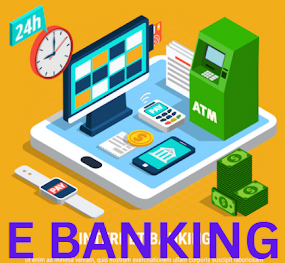
The Evolution and Impact of E-Banking: Redefining Financial Transactions in the Digital Age


Introduction:


In the last few decades, the landscape of banking and financial transactions has undergone a revolutionary transformation, thanks to the advent of electronic banking, or e-banking. E-banking refers to the use of electronic systems and technologies to conduct various banking activities, from simple account inquiries to complex financial transactions. This paradigm shift has not only changed the way individuals and businesses manage their finances but has also significantly impacted the entire banking industry.


I Historical Perspective of E-Banking

The roots of e-banking can be traced back to the introduction of Automated Teller Machines (ATMs) in the 1960s. These machines marked the beginning of a transition from traditional brick-and-mortar banking to a more automated and efficient system. The 1990s saw the emergence of online banking, allowing customers to access their accounts and conduct transactions through the internet. This was a significant milestone that laid the foundation for the comprehensive e-banking services we have today.

II. Key Components of E-Banking

E-banking encompasses a wide range of services and functionalities. The core components include:

  • Online Banking: Customers can access their bank accounts, check balances, and conduct various transactions through secure online portals provided by their banks.

  • Mobile Banking: With the widespread use of smartphones, mobile banking has become increasingly popular. Customers can perform banking activities using dedicated mobile apps, offering convenience and flexibility.


  • ATM Services: Although ATMs predate the digital era, they remain a crucial element of e-banking. ATMs allow customers to withdraw cash, deposit checks, and perform other basic transactions outside traditional banking hours.


  • Electronic Funds Transfer (EFT): EFT enables the electronic transfer of funds between different accounts, both within the same bank and across different financial institutions.


  • Online Bill Payment: E-banking facilitates the seamless payment of bills, eliminating the need for traditional paper checks and postage. Customers can schedule recurring payments and avoid late fees.


  • E-Wallets and Contactless Payments: The rise of digital wallets and contactless payment methods has further streamlined transactions, offering a secure and convenient alternative to physical cash.

III. Advantages of E-Banking

The adoption of e-banking has brought about numerous benefits for both consumers and banks:

  • Convenience: One of the primary advantages of e-banking is the convenience it offers. Customers can access their accounts and perform transactions from the comfort of their homes or on the go, eliminating the need to visit physical bank branches.

  • 24/7 Accessibility: Unlike traditional banking hours, e-banking services are available 24 hours a day, seven days a week. This ensures that customers can manage their finances at any time, accommodating diverse schedules.


  • Cost Savings: E-banking reduces the need for physical infrastructure and manual processes, leading to cost savings for banks. These savings can be passed on to customers in the form of lower fees and better interest rates.


  • Efficiency and Speed: Electronic transactions are processed faster than traditional methods. This efficiency is particularly evident in electronic fund transfers, where funds can be moved between accounts almost instantaneously.


  • Paperless Transactions: E-banking promotes environmental sustainability by reducing the reliance on paper for statements, checks, and other documents. This shift towards paperless transactions aligns with global efforts to reduce carbon footprints.


  • Enhanced Security Measures: With advancements in technology, e-banking systems have implemented robust security measures, such as multi-factor authentication and encryption, to protect customer data and transactions.

IV. Challenges and Concerns

While e-banking offers numerous advantages, it is not without its challenges and concerns:

  • Security Risks: As e-banking systems become more sophisticated, so do the tactics of cybercriminals. Security breaches, phishing attacks, and identity theft are persistent threats that require continuous efforts to mitigate.


  • Digital Divide: Despite the widespread adoption of e-banking, a digital divide still exists, with some individuals lacking access to the internet or digital devices. This can limit the inclusivity of e-banking services.


  • Technological Obsolescence: The rapid pace of technological advancement means that e-banking systems can become obsolete relatively quickly. This poses challenges for both customers and banks to stay updated with the latest technologies.


  • Customer Education: Some customers, particularly older demographics, may be resistant to adopting e-banking due to a lack of familiarity or fear of technology. Educating customers about the benefits and security measures of e-banking is essential for widespread adoption.

V. Future Trends in E-Banking

The future of e-banking holds exciting possibilities as technology continues to evolve. Some emerging trends include:

  • Blockchain and Cryptocurrencies: The integration of blockchain technology and cryptocurrencies like Bitcoin has the potential to revolutionize the way financial transactions are conducted, providing increased security and transparency.

  • Artificial Intelligence (AI) and Chatbots: AI-powered chatbots are being increasingly used in e-banking to provide personalized customer service, answer queries, and assist with transactions, enhancing the overall user experience.


  • Biometric Authentication: Biometric methods such as fingerprint and facial recognition are becoming more prevalent in e-banking to enhance security and simplify the authentication process for customers.


  • Open Banking: Open banking initiatives allow third-party developers to create applications and services using bank data. This fosters innovation and competition within the financial industry.


  • Augmented Reality (AR) and Virtual Reality (VR): The integration of AR and VR technologies may transform the way customers interact with their finances, offering immersive experiences for tasks like financial planning and investment analysis.

VI. Conclusion

In conclusion, e-banking has evolved from a convenience to a necessity in the modern era. Its impact on the banking industry and the way individuals manage their finances is undeniable. As technology continues to advance, the future promises even greater innovations in e-banking, reshaping the financial landscape and providing users with unprecedented levels of convenience, security, and efficiency. While challenges persist, the benefits of e-banking are driving a global shift towards a more digital and interconnected financial ecosystem. As we stand at the crossroads of technological evolution, the journey of e-banking is far from over, with new horizons waiting to be explored and embraced.


The Essence of Eidul Fitar: Joy, Gratitude, and Unity

Embracing Eidul Fitar: Cultural Significance and Customs Eid ul-Fitr, often simply referred to as Eid, is one of the most significant religi...