Showing posts with label social media marketing. Show all posts

Saturday, 13 January 2024

The Evolution and Impact of E-Banking: Redefining Financial Transactions in the Digital Age


Introduction:


In the last few decades, the landscape of banking and financial transactions has undergone a revolutionary transformation, thanks to the advent of electronic banking, or e-banking. E-banking refers to the use of electronic systems and technologies to conduct various banking activities, from simple account inquiries to complex financial transactions. This paradigm shift has not only changed the way individuals and businesses manage their finances but has also significantly impacted the entire banking industry.
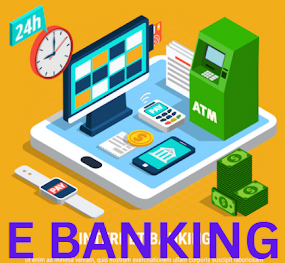


I Historical Perspective of E-Banking

The roots of e-banking can be traced back to the introduction of Automated Teller Machines (ATMs) in the 1960s. These machines marked the beginning of a transition from traditional brick-and-mortar banking to a more automated and efficient system. The 1990s saw the emergence of online banking, allowing customers to access their accounts and conduct transactions through the internet. This was a significant milestone that laid the foundation for the comprehensive e-banking services we have today.

II. Key Components of E-Banking

E-banking encompasses a wide range of services and functionalities. The core components include:

  • Online Banking: Customers can access their bank accounts, check balances, and conduct various transactions through secure online portals provided by their banks.

  • Mobile Banking: With the widespread use of smartphones, mobile banking has become increasingly popular. Customers can perform banking activities using dedicated mobile apps, offering convenience and flexibility.


  • ATM Services: Although ATMs predate the digital era, they remain a crucial element of e-banking. ATMs allow customers to withdraw cash, deposit checks, and perform other basic transactions outside traditional banking hours.


  • Electronic Funds Transfer (EFT): EFT enables the electronic transfer of funds between different accounts, both within the same bank and across different financial institutions.


  • Online Bill Payment: E-banking facilitates the seamless payment of bills, eliminating the need for traditional paper checks and postage. Customers can schedule recurring payments and avoid late fees.


  • E-Wallets and Contactless Payments: The rise of digital wallets and contactless payment methods has further streamlined transactions, offering a secure and convenient alternative to physical cash.

III. Advantages of E-Banking

The adoption of e-banking has brought about numerous benefits for both consumers and banks:

  • Convenience: One of the primary advantages of e-banking is the convenience it offers. Customers can access their accounts and perform transactions from the comfort of their homes or on the go, eliminating the need to visit physical bank branches.

  • 24/7 Accessibility: Unlike traditional banking hours, e-banking services are available 24 hours a day, seven days a week. This ensures that customers can manage their finances at any time, accommodating diverse schedules.


  • Cost Savings: E-banking reduces the need for physical infrastructure and manual processes, leading to cost savings for banks. These savings can be passed on to customers in the form of lower fees and better interest rates.


  • Efficiency and Speed: Electronic transactions are processed faster than traditional methods. This efficiency is particularly evident in electronic fund transfers, where funds can be moved between accounts almost instantaneously.


  • Paperless Transactions: E-banking promotes environmental sustainability by reducing the reliance on paper for statements, checks, and other documents. This shift towards paperless transactions aligns with global efforts to reduce carbon footprints.


  • Enhanced Security Measures: With advancements in technology, e-banking systems have implemented robust security measures, such as multi-factor authentication and encryption, to protect customer data and transactions.

IV. Challenges and Concerns

While e-banking offers numerous advantages, it is not without its challenges and concerns:

  • Security Risks: As e-banking systems become more sophisticated, so do the tactics of cybercriminals. Security breaches, phishing attacks, and identity theft are persistent threats that require continuous efforts to mitigate.


  • Digital Divide: Despite the widespread adoption of e-banking, a digital divide still exists, with some individuals lacking access to the internet or digital devices. This can limit the inclusivity of e-banking services.


  • Technological Obsolescence: The rapid pace of technological advancement means that e-banking systems can become obsolete relatively quickly. This poses challenges for both customers and banks to stay updated with the latest technologies.


  • Customer Education: Some customers, particularly older demographics, may be resistant to adopting e-banking due to a lack of familiarity or fear of technology. Educating customers about the benefits and security measures of e-banking is essential for widespread adoption.

V. Future Trends in E-Banking

The future of e-banking holds exciting possibilities as technology continues to evolve. Some emerging trends include:

  • Blockchain and Cryptocurrencies: The integration of blockchain technology and cryptocurrencies like Bitcoin has the potential to revolutionize the way financial transactions are conducted, providing increased security and transparency.

  • Artificial Intelligence (AI) and Chatbots: AI-powered chatbots are being increasingly used in e-banking to provide personalized customer service, answer queries, and assist with transactions, enhancing the overall user experience.


  • Biometric Authentication: Biometric methods such as fingerprint and facial recognition are becoming more prevalent in e-banking to enhance security and simplify the authentication process for customers.


  • Open Banking: Open banking initiatives allow third-party developers to create applications and services using bank data. This fosters innovation and competition within the financial industry.


  • Augmented Reality (AR) and Virtual Reality (VR): The integration of AR and VR technologies may transform the way customers interact with their finances, offering immersive experiences for tasks like financial planning and investment analysis.

VI. Conclusion

In conclusion, e-banking has evolved from a convenience to a necessity in the modern era. Its impact on the banking industry and the way individuals manage their finances is undeniable. As technology continues to advance, the future promises even greater innovations in e-banking, reshaping the financial landscape and providing users with unprecedented levels of convenience, security, and efficiency. While challenges persist, the benefits of e-banking are driving a global shift towards a more digital and interconnected financial ecosystem. As we stand at the crossroads of technological evolution, the journey of e-banking is far from over, with new horizons waiting to be explored and embraced.


Saturday, 30 December 2023

The Ultimate Guide to Global Amazon Product Promotion

Introduction: Promoting products on Amazon globally requires a strategic approach to reach a wider audience and maximize sales. Here's a comprehensive guide to help you effectively promote your Amazon products worldwide:


Amazon products promotion 


Optimize Product Listings: Ensure high-quality images and compelling product descriptions.
Use relevant keywords in your titles, bullet points, and descriptions. Highlight key features and benefits to attract potential buyers.


Leverage Amazon Advertising: Utilize Amazon PPC (Pay-Per-Click) campaigns to boost visibility.
Target relevant keywords and optimize ad spend based on performance. Experiment with different ad types, such as sponsored products, sponsored brands, and sponsored display ads.


Take Advantage of Amazon Coupons and Promotions: Create discounts and promotions to attract price-conscious shoppers. Use Amazon Coupons to encourage customers to make a purchase by offering instant savings.


Participate in Amazon Deals and Lightning Deals: Apply for Lightning Deals and Deals of the Day to increase product visibility. These time-sensitive promotions can create a sense of urgency and drive sales.


Implement a Global Fulfillment Strategy: Enroll in Amazon's FBA (Fulfillment by Amazon) program to provide fast and reliable shipping. Optimize your inventory management to avoid stockouts and maintain a good sales rank.


Localize Your Marketing: Tailor your marketing messages to specific regions and cultures. Translate product listings, advertisements, and customer communications to the local language.


Utilize social media and Influencers: Leverage social media platforms to promote your products globally. Collaborate with influencers who have a global reach to showcase your products to a wider audience.


Encourage Customer Reviews: Positive reviews can significantly impact purchase decisions. Encourage satisfied customers to leave reviews and promptly address any negative feedback.


Monitor and Adjust Pricing Strategically: Keep an eye on competitors and adjust your prices accordingly. Consider running promotions or discounts during peak shopping seasons.


Optimize for Mobile Users: Ensure that your product listings and advertising are optimized for mobile users. Many shoppers use mobile devices, so a mobile-friendly experience is crucial.


Leverage Amazon's Global Selling Programs: Join Amazon's Global Selling program to list and sell your products on multiple international marketplaces. Tailor your strategy to each marketplace based on local trends and preferences.


Utilize External Traffic: Drive external traffic to your Amazon listings through social media, blogs, and other online channels. Use tools like Amazon Attribution to measure the impact of external traffic on your sales.


Continuously Analyze and Optimize: Regularly analyze your performance metrics and adjust your strategy accordingly. Monitor the effectiveness of different promotions and advertising campaigns.


Stay Informed About Amazon Policies: Keep abreast of changes in Amazon's policies and adapt your strategy to comply with the platform's guidelines. By combining these strategies, you can create a comprehensive approach to promote your Amazon products globally and increase your chances of success in the competitive e-commerce landscape.

Wednesday, 20 December 2023

A Comprehensive Step-by-Step Guide to Effective Social Media Marketing

Introduction:

Social media has become an integral part of our daily lives, and its impact on businesses cannot be overstated. To harness the full potential of social media for marketing purposes, a strategic and well-executed plan is essential. In this comprehensive guide, we will explore a step-by-step approach to effective social media marketing, covering key strategies and tactics that can elevate your brand's online presence and drive meaningful engagement.
Social Medial Marketing by M Amirul Islam

  1. Define Your Goals and Objectives:

Before diving into social media marketing, it's crucial to define clear and measurable goals. Are you looking to increase brand awareness, drive website traffic, generate leads, or boost sales? Establishing specific objectives will guide your social media strategy and help measure its success.

  1. Know Your Target Audience:

Understanding your target audience is fundamental to crafting content that resonates. Conduct thorough demographic and psychographic research to create buyer personas. Knowing your audience's preferences, behaviors, and pain points will enable you to tailor your content for maximum impact.

  1. Choose the Right Platforms:

Not all social media platforms are created equal, and each has its unique audience and features. Select platforms that align with your target audience and business goals. For instance, LinkedIn may be ideal for B2B marketing, while Instagram or TikTok may be more suitable for reaching a younger demographic.

  1. Optimize Your Profiles:

Ensure your social media profiles are complete, consistent, and visually appealing. Use high-quality images, a compelling bio, and relevant keywords. Consistent branding across platforms fosters brand recognition and trust.

  1. Develop a Content Strategy:

Crafting a well-thought-out content strategy is pivotal. Plan a mix of content types, including text, images, videos, and infographics. Maintain a balance between promotional and educational content, and incorporate industry trends and current events. Consistency is key to building a loyal audience.

  1. Utilize Visual Content:

Visual content is more engaging and shareable. Invest in eye-catching visuals, infographics, and videos. Platforms like Instagram, Pinterest, and YouTube thrive on visual content, making them effective channels for storytelling and brand expression.

  1. Leverage Hashtags Wisely:

Hashtags are powerful tools for increasing discoverability. Research and use relevant hashtags to expand your reach and connect with a broader audience. Create branded hashtags to encourage user-generated content and community engagement.

  1. Engage with Your Audience:

Social media is a two-way street. Actively engage with your audience by responding to comments, messages, and mentions. Host polls, ask questions, and encourage discussions to build a sense of community around your brand.

  1. Run Targeted Advertising Campaigns:

Paid social media advertising allows you to target specific demographics, interests, and behaviors. Experiment with different ad formats, such as carousel ads, video ads, and sponsored posts, to identify what resonates best with your audience.

  1. Monitor Analytics and Adjust:

Regularly analyze your social media analytics to measure the performance of your campaigns. Track key metrics such as reach, engagement, and conversion rates. Use these insights to refine your strategy, focusing on what works and adjusting where necessary.

  1. Collaborate and Cross-Promote:

Build relationships with influencers, industry leaders, and complementary businesses. Collaborate on cross-promotional campaigns to tap into each other's audiences. Influencer marketing can provide a significant boost to your brand's visibility.

  1. Implement a Social Media Calendar:

Efficiently manage your content creation and posting schedule by implementing a social media calendar. Plan your posts in advance, considering holidays, events, and industry trends. This ensures a consistent and organized approach to your social media efforts.

  1. Stay Updated on Trends:

The social media landscape is dynamic, with trends evolving rapidly. Stay informed about the latest features, algorithm changes, and emerging platforms. Being adaptable and staying ahead of the curve will keep your social media strategy fresh and relevant.

  1. Encourage User-Generated Content:

Encourage your audience to create and share content related to your brand. User-generated content fosters authenticity and trust. Run contests, challenges, or simply ask for testimonials and reviews to involve your audience in your marketing efforts.

  1. Monitor and Manage Your Online Reputation:

Monitor mentions of your brand across social media platforms. Respond promptly to both positive and negative feedback. A positive online reputation is crucial for building trust and credibility among your audience.

Conclusion:

Effectively leveraging social media for marketing requires a strategic and multifaceted approach. By defining clear goals, understanding your audience, and implementing a well-thought-out content strategy, you can create a powerful online presence that drives engagement and achieves tangible business results. Stay adaptable, monitor analytics, and continually refine your approach to stay ahead in the ever-evolving world of social media marketing.


The Essence of Eidul Fitar: Joy, Gratitude, and Unity

Embracing Eidul Fitar: Cultural Significance and Customs Eid ul-Fitr, often simply referred to as Eid, is one of the most significant religi...